Lung Cancer Hospital: A Powerful Guide to Choosing the Right Care Center (2026 Edition)
-
Hello world!
Understanding What a Lung Cancer Hospital Is
A Lung Cancer Hospital is a specialized healthcare facility dedicated to diagnosing, treating, and managing lung cancer using advanced medical technologies and expert-led care teams. For lung cancer sufferers, these hospitals offer more than treatment—they provide structure, hope, and a clear care pathway during a challenging time.
Unlike standard hospitals, a Lung Cancer Hospital focuses heavily on oncology-specific services. This specialization ensures that patients receive timely diagnosis, accurate staging, and access to modern therapies that can significantly improve outcomes and quality of life.
Difference Between General Hospitals and Specialized Cancer Hospitals
General hospitals treat a wide range of medical conditions. While many offer oncology services, they may lack the focused expertise required for complex lung cancer cases. A Lung Cancer Hospital, on the other hand, concentrates resources, staff, and technology specifically on cancer care.
Specialized hospitals often feature advanced imaging, molecular diagnostics, and clinical trials. This focus leads to better coordination between departments and faster treatment decisions—critical factors in lung cancer management.
Why Specialization Matters for Lung Cancer Sufferers
Lung cancer is not a one-size-fits-all disease. Each patient’s condition varies by cancer type, stage, and genetic profile. A Lung Cancer Hospital is equipped to tailor treatment plans, helping sufferers feel confident that their care is precise and personalized.
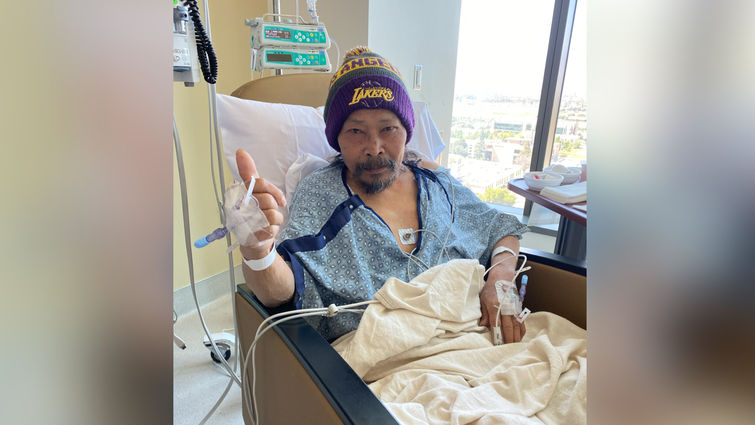

Signs, Symptoms, and When to Visit a Lung Cancer Hospital
Early detection saves lives. Knowing when to seek care at a Lung Cancer Hospital can make a significant difference in outcomes.
Early Warning Signs of Lung Cancer
Common early symptoms include:
- Persistent cough lasting weeks
- Shortness of breath
- Chest pain during breathing or coughing
- Unexplained fatigue
These symptoms are often mistaken for minor respiratory issues. If they persist, a visit to a Lung Cancer Hospital is strongly advised.
Advanced Symptoms That Require Immediate Care
Advanced lung cancer may present with:
- Coughing up blood
- Severe weight loss
- Hoarseness
- Recurrent lung infections
Prompt evaluation at a Lung Cancer Hospital ensures rapid diagnosis and immediate treatment planning.
Diagnostic Services Offered at a Lung Cancer Hospital
Accurate diagnosis is the foundation of effective treatment. A Lung Cancer Hospital uses state-of-the-art tools to identify cancer type and stage precisely.
Imaging and Screening Technologies
Advanced imaging includes:
- Low-dose CT scans
- PET scans
- MRI for cancer spread detection
These technologies help specialists detect tumors early and monitor disease progression accurately.
Biopsy, Pathology, and Molecular Testing
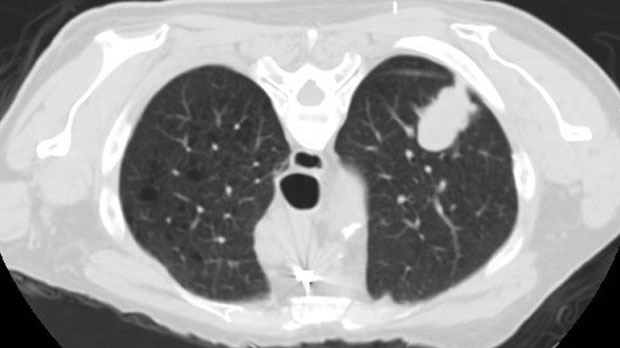
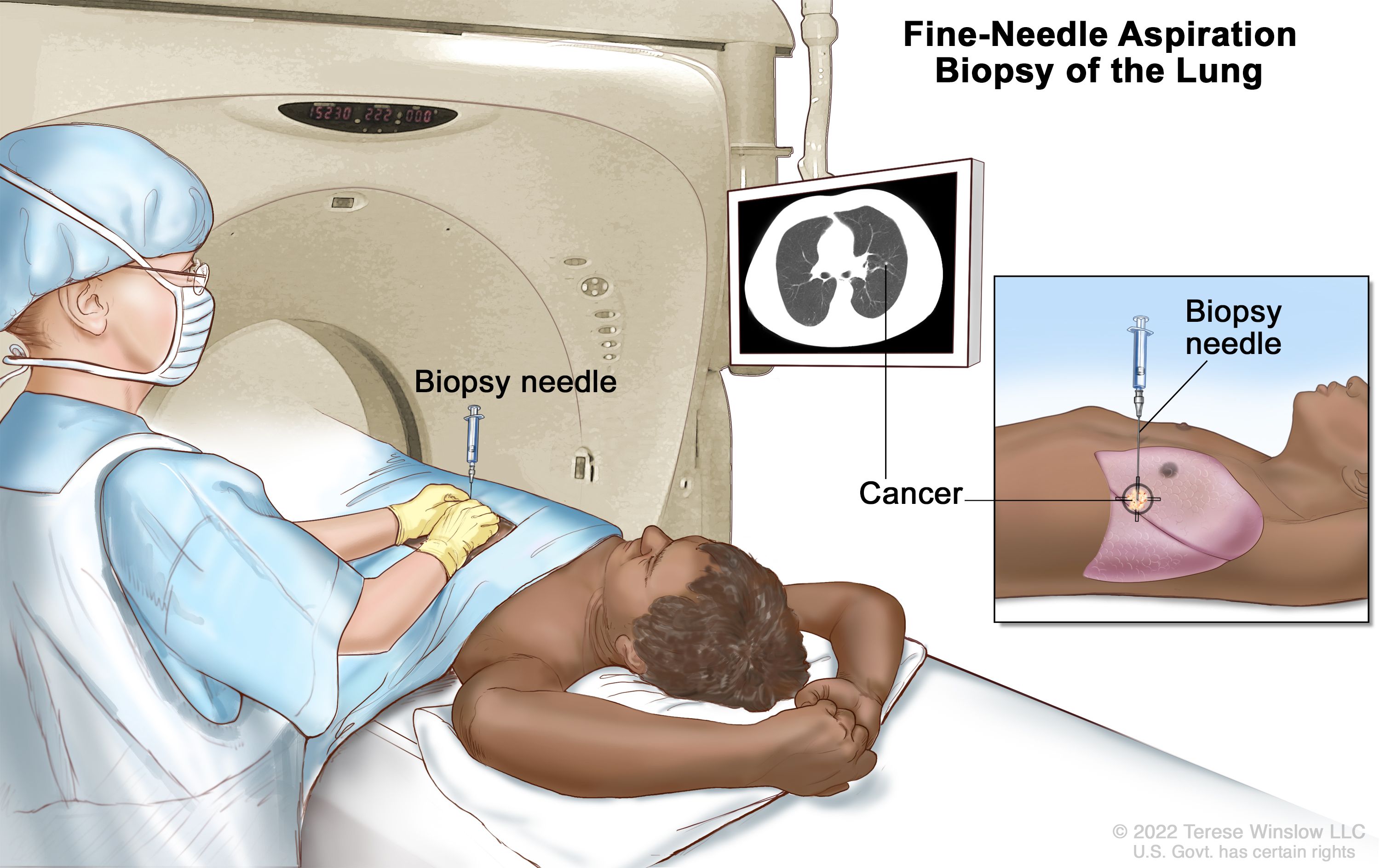
Biopsies confirm the presence of cancer. Molecular testing identifies genetic mutations that may respond to targeted therapies. This level of testing is a hallmark of a Lung Cancer Hospital and plays a vital role in modern cancer care.

Treatment Options Available in a Lung Cancer Hospital
Treatment plans are customized based on diagnosis, overall health, and patient preferences.
Surgery for Lung Cancer
Surgical options include tumor removal or partial lung resection. In early-stage cases, surgery performed at a Lung Cancer Hospital can be curative.
Chemotherapy and Radiation Therapy
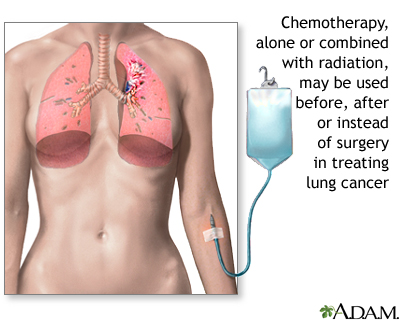
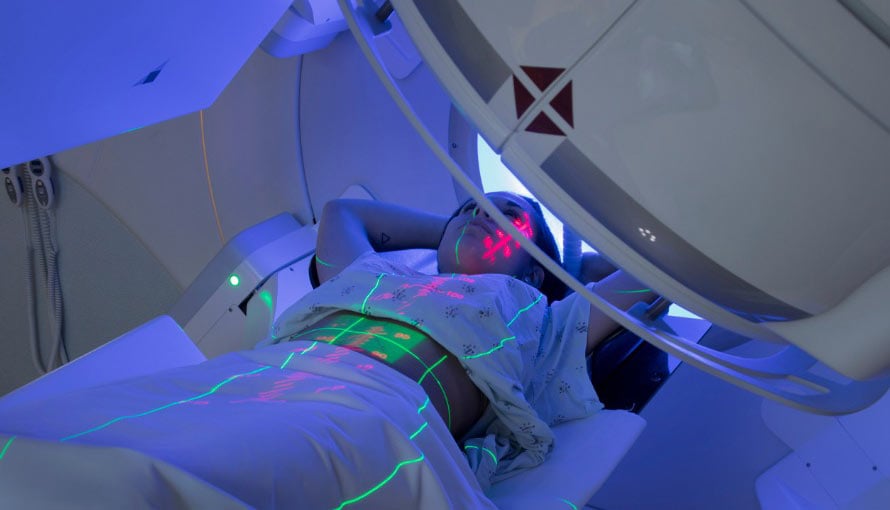
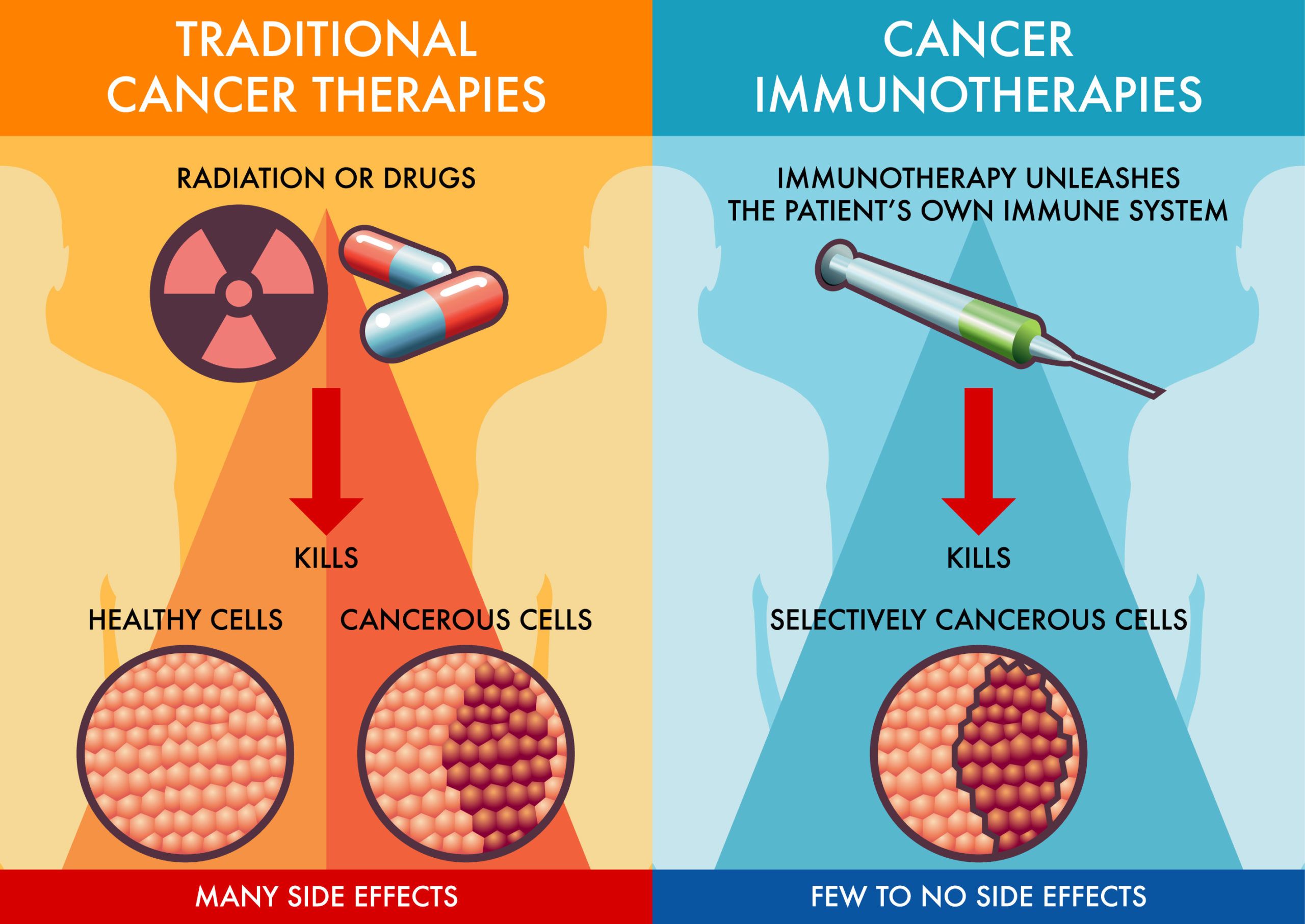
Chemotherapy destroys cancer cells systemically, while radiation targets tumors precisely. Advanced radiation techniques minimize damage to healthy tissue, improving recovery times.
Targeted Therapy and Immunotherapy
Targeted therapy attacks specific cancer cell mutations. Immunotherapy strengthens the body’s immune response against cancer. These cutting-edge treatments are widely available in a Lung Cancer Hospital setting and have transformed survival outcomes.
Multidisciplinary Care Approach
One of the strongest advantages of a Lung Cancer Hospital is its team-based approach.
Role of Oncologists, Pulmonologists, and Surgeons
Specialists collaborate to evaluate every case. Medical oncologists manage systemic therapies, pulmonologists focus on lung function, and surgeons handle operative care.
Personalized Treatment Planning
Care teams meet regularly to discuss progress and adjust treatment plans. This ensures each patient receives the most effective and least invasive care possible.
Supportive and Palliative Care Services
Treatment is only one part of healing. A Lung Cancer Hospital also focuses on comfort and emotional well-being.
Pain Management and Symptom Relief
Palliative care teams manage pain, breathing difficulties, and treatment side effects. This improves daily comfort and helps patients stay active during therapy.
Emotional, Psychological, and Family Support
Counseling, support groups, and family education programs are integral services. These resources help patients and loved ones cope with emotional stress and uncertainty.


Choosing the Right Lung Cancer Hospital
Selecting the right hospital is a crucial decision for lung cancer sufferers.
Accreditation, Technology, and Expertise
Look for hospitals with:
- Accredited cancer programs
- Access to clinical trials
- Advanced diagnostic and treatment technologies
These factors indicate high-quality care standards.
Location, Accessibility, and Continuity of Care
Proximity matters, especially for long-term treatment. A Lung Cancer Hospital that offers coordinated outpatient and inpatient services can reduce stress and travel burden.
Cost, Insurance, and Financial Counseling
Cancer care can be expensive. Many Lung Cancer Hospitals provide financial counseling to help patients understand insurance coverage, payment plans, and available assistance programs. Transparent cost discussions allow patients to focus on healing without constant financial worry.
For additional educational resources on lung cancer, you can visit the American Cancer Society website: https://www.cancer.org
FAQs About Lung Cancer Hospital Care
1. What makes a Lung Cancer Hospital different from a regular hospital?
A Lung Cancer Hospital specializes in cancer diagnosis and treatment, offering advanced technology and expert-led care teams.
2. Do I need a referral to visit a Lung Cancer Hospital?
Some hospitals require referrals, while others accept direct appointments. It’s best to check with the hospital directly.
3. Are all lung cancer treatments available in one hospital?
Most Lung Cancer Hospitals offer surgery, chemotherapy, radiation, and advanced therapies under one roof.
4. Can a Lung Cancer Hospital help with second opinions?
Yes, many patients seek second opinions to confirm diagnosis and explore treatment options.
5. Is palliative care only for end-stage cancer?
No. Palliative care is available at any stage to improve comfort and quality of life.
6. How do I know if a Lung Cancer Hospital is right for me?
Consider expertise, technology, support services, and how comfortable you feel with the care team.
Conclusion: Hope, Healing, and the Right Hospital Choice
A Lung Cancer Hospital is more than a treatment center—it is a place of expertise, compassion, and renewed hope. For lung cancer sufferers, choosing the right hospital can lead to earlier diagnosis, better treatment outcomes, and a stronger support system throughout the journey. With the right care team and resources, patients can face lung cancer with confidence and clarity.

